Top Training Tips from Basketball Club Teams in San Diego
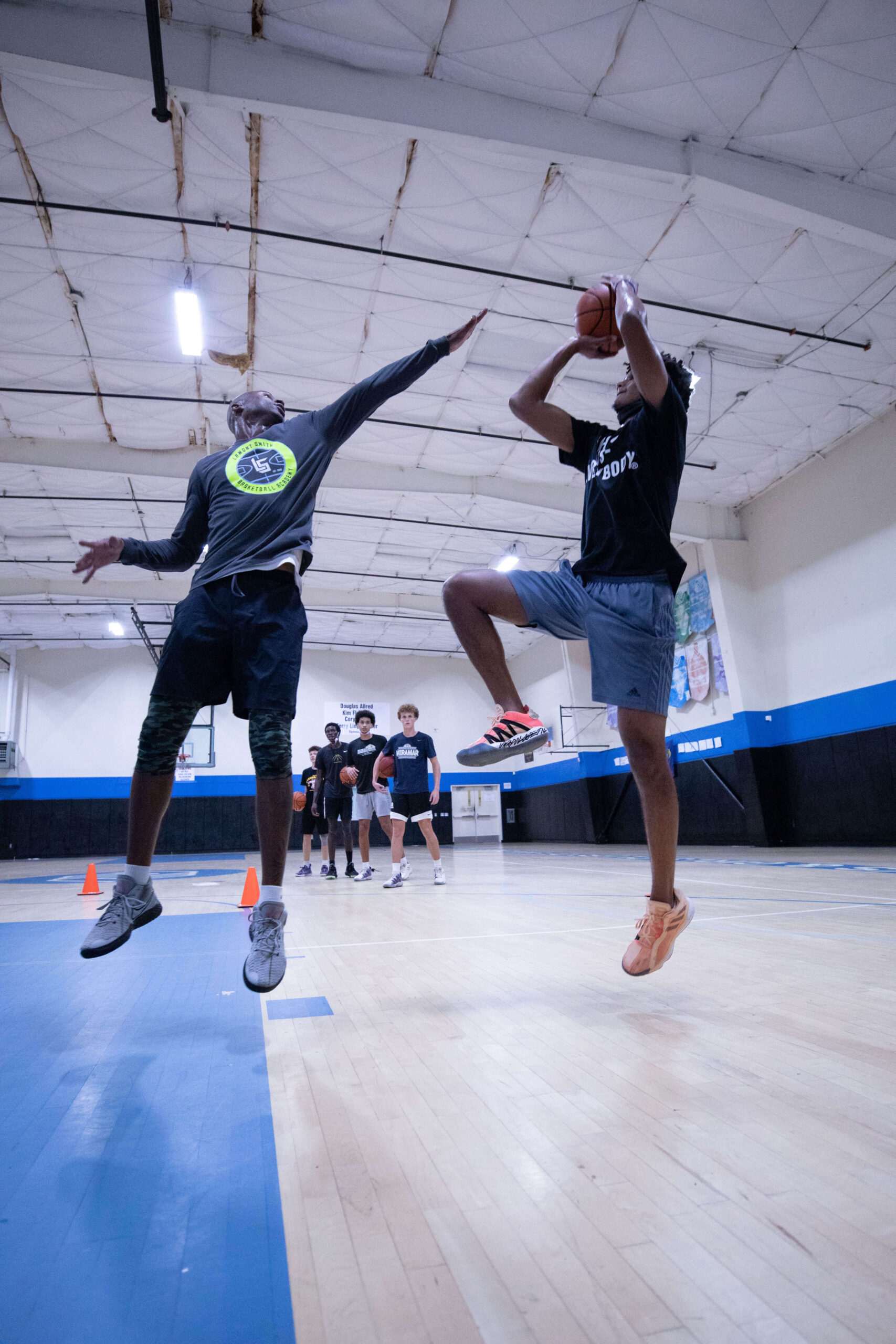
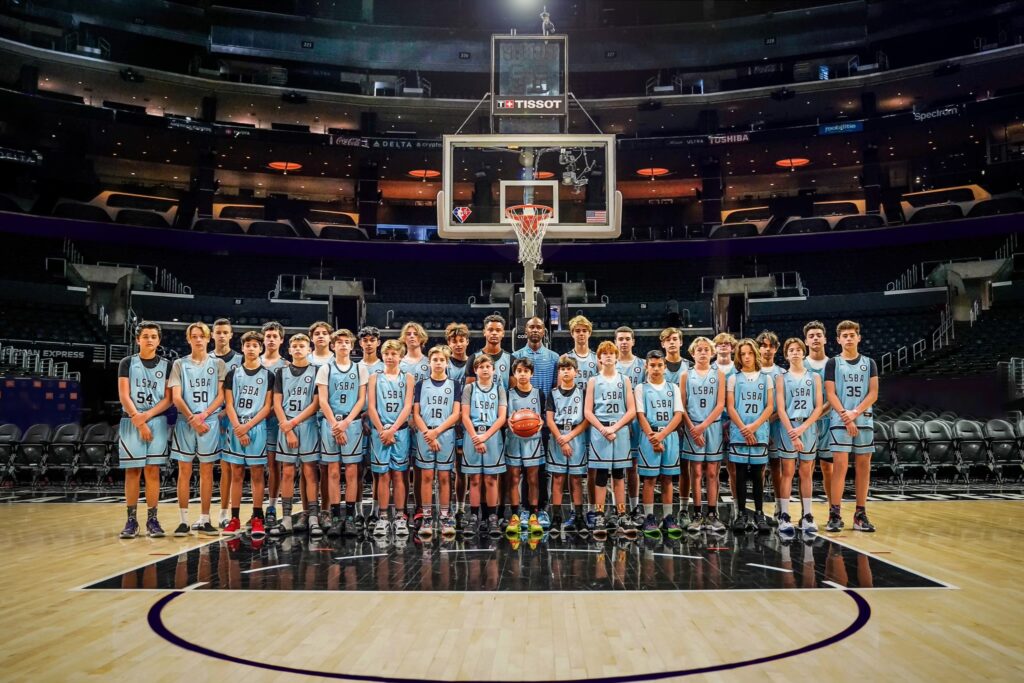
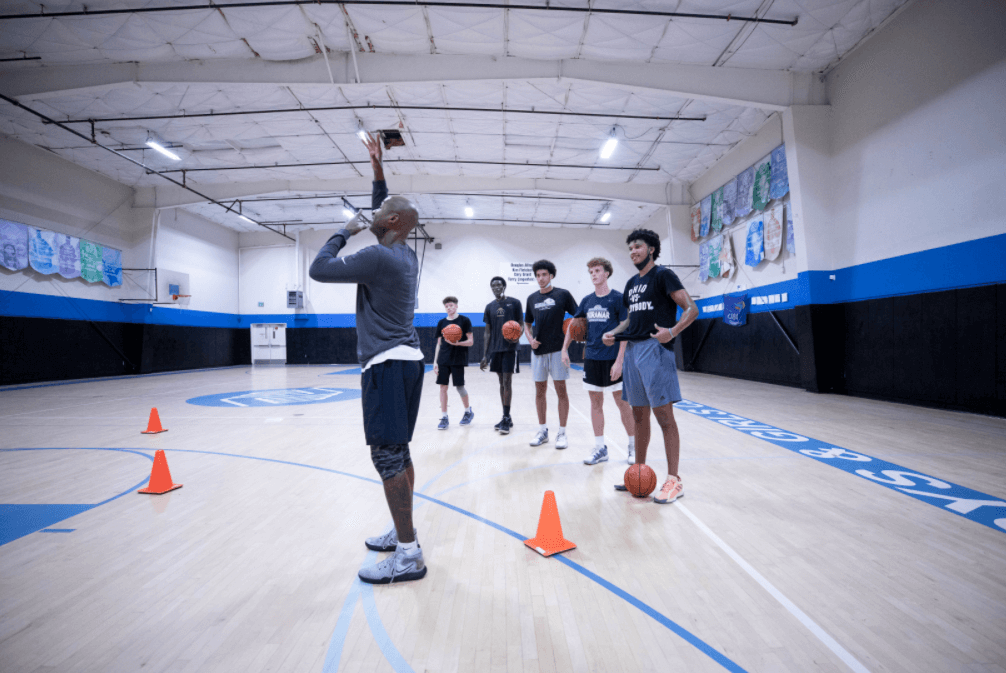
San Diego basketball has its own rhythm. The weather keeps gyms and outdoor courts active nearly year-round, the talent pool is deep, and club programs draw players who are serious about improving, not just showing up for games. Spend time around Basketball Club Teams San Diego families trust, and a pattern starts to emerge. The best teams are not built on flashy drills or endless motivational speeches. They are built on habits, structure, and a very clear understanding of what actually transfers to games.
That point matters because youth basketball can get noisy fast. Social media rewards highlights. Parents naturally want visible progress. Players often chase difficult moves before they can consistently execute simple ones at speed. Good club coaches cut through that noise. They know that development is usually less dramatic than people hope and more demanding than they expect.
The strongest training environments in San Diego tend to share the same core philosophy. Skill work has to hold up under pressure. Conditioning has to match the stop-start demands of basketball. Team concepts have to be taught in a way players can absorb and apply, not just memorize. And perhaps most importantly, every session has to respect the age and stage of the athlete standing in front of the coach.
The best training starts with footwork, not flair
If you ask experienced club coaches what separates polished players from talented but inconsistent ones, many will point to footwork before anything else. Not because it is glamorous, but because it touches every part of the game. A player with poor feet struggles to create space, recover on defense, finish through contact, and stay balanced enough to shoot well after movement.
In San Diego club gyms, strong practices often begin with deceptively simple movement patterns. Jump stops, stride stops, pivots, closeouts, lateral slides, and first-step mechanics do not look exciting from the bleachers. They win possessions anyway. A guard who can get downhill off two controlled dribbles is more dangerous than a guard with a deep bag of moves that break down against athletic defenders. A wing who can plant, reverse pivot, and make the right read keeps the offense flowing. A post player with reliable base balance gains angles before the ball even arrives.
One of the most common mistakes younger players make is rushing past this stage. They want combo dribbles, step-backs, and off-balance finishes because those are easy to admire. The problem is that advanced moves collapse without balance. Club coaches who consistently produce better players usually insist on a progression. Control first, speed second, counters third. That order can feel slow to impatient athletes, but it saves months of frustration.
I have seen practices where a coach spends fifteen straight minutes correcting nothing but stance width, hip level, and the angle of a drop step. From the outside, it can seem obsessive. Then the game comes, and those same players defend drives without opening the gate, rotate earlier, and finish possessions without getting bumped off their line. The detail pays off.
Skill training has to look like the game
One of the clearest training differences between average and strong club programs is how they structure repetition. Average workouts often collect skills in isolation. Strong workouts connect those skills to real decisions. A stationary ball-handling series has value, but only to a point. Form shooting has value, but only until the player can repeat that form while fatigued, moving, and reading a defender.
The best Basketball Club Teams San Diego offers tend to train with a game-transfer mindset. If a guard will need to reject a ball screen, take one hard dribble, and hit a pull-up from fifteen feet, then at some point practice should include that exact footwork, timing, and decision. If a forward is expected to catch on the short roll and make a corner read, that sequence needs repeated attention. Generic reps are useful early. Specific reps create dependable game habits.
This does not mean every drill has to be chaotic. In fact, well-run clubs often move from clean, controlled teaching into live application. First, the player learns the movement. Next, the player performs it at game pace without defense. Then comes guided defense, then live reads. That staircase matters. Skip too quickly to live action and some players never understand the skill. Stay too long in scripted reps and they never learn when to use it.
Shooting is probably the best example. A player can make a high percentage in an empty gym and still struggle in competition. Club coaches who know shooters well do not just count makes. They track the quality of the footwork before the shot, the speed of the pickup, the balance on the release, and whether the player can reproduce that mechanics after sprinting or absorbing contact. Good shooting development is less about chasing a magic total and more about repeating the same foundation in changing conditions.
Conditioning should match basketball, not punish players for the sake of it
A lot of young athletes still equate hard training with exhaustion alone. If they leave the gym drenched and gasping, they assume the workout worked. Experienced coaches are more selective. Basketball conditioning is not the same as distance running, and club teams that train well understand the difference.
The game demands repeated bursts, rapid deceleration, directional changes, and enough recovery to think clearly on the next possession. A player who can run two miles without stopping may still struggle to defend three straight actions, sprint into transition, stop on balance, and then box out. Conditioning that ignores these patterns misses the point.
The better San Diego club programs usually blend conditioning into basketball actions. That might mean short full-court sequences with change of direction, closeout-to-rebound efforts, or small-sided games with strict work-to-rest windows. The body gets trained, but so do decision-making and technique under fatigue. That combination is far more useful than turning practice into random punishment runs after mistakes.
There is also a maturity issue here. Younger players need conditioning, but they also need protection from overuse. Club basketball can stack school ball, skill sessions, games, and travel into the same week. Coaches who think long term watch workload carefully. Sore knees, tight hips, and nagging shin pain are not signs of commitment. Often, they are signs that no one is managing volume. The strongest clubs communicate early when a player needs recovery, lighter impact work, or a modified session.
Defense improves fastest when it becomes a daily identity
Offensive development usually gets more attention because it is easier to measure. Players count points, assists, and made shots. Defense is harder to package, but every serious club coach knows that winning teams and playable athletes are built there first.
What stands out in strong club settings is that defense is not treated like a short segment to survive. It is woven into everything. Warmups include stance discipline. Closeout technique gets corrected in shell work and transition drills. Coaches stop live play to address a bad low-man rotation just as quickly as they would stop it for a careless turnover.
This consistency matters because defensive habits are fragile. One lazy reach, one upright slide, one missed tag on the roller can unravel an entire possession. San Diego club teams that defend well tend to simplify expectations. Players know where help comes from, what coverage is being used, how they should communicate it, and what a successful possession looks like beyond getting a steal.
A practical example is closeout training. Many players are told to "chop their feet" without learning why. Better coaching breaks the action down further. Sprint the first part of the distance. Arrive under control. Show hands. Take away the most dangerous option based on scouting and location. If the offensive player drives, angle the body to influence help, not just react late. When taught that way, defense starts to feel less like effort alone and more like a skill.
The smartest teams teach spacing early and revisit it constantly
Watch enough youth games and the same problem appears over and over. Three players drift toward the ball, a driver attacks into a crowd, and a possession dies before the defense really has to work. It is rarely selfishness. More often, it is poor spacing habits that were never taught with enough clarity.
This is an area where club basketball can separate itself from recreational play. High-level coaches spend real time on spacing, timing, and off-ball reads because they understand that team offense depends on players who can influence the game without https://ameblo.jp/brookskamn463/entry-12978808698.html dribbling. A weak-side player who lifts at the right time opens a driving lane. A corner player who stays patient creates a cleaner kick-out. A screener who sprints into contact forces a defensive decision.
Players often improve quickly once spacing gets framed in practical terms instead of chalkboard language. Rather than saying "maintain proper width," a coach might explain it this way: if your defender can guard you and stunt at the ball without moving his feet, you are too close. That kind of teaching sticks. It gives players a visual and a purpose.
San Diego club teams with good offensive flow also tend to teach counters, not just first options. If the defense top-locks a shooter, what is the back-cut cue? If a handoff gets denied, where is the release? If the paint is loaded, should the attack become a kick-swing sequence instead of a forced finish? Players who understand those adjustments stop freezing when the first action gets taken away.
Strength work should be age-appropriate and movement-driven
The best club teams no longer treat strength training as something reserved for older athletes or varsity hopefuls. They also do not rush young players into advanced lifting for appearances. The best approach sits in the middle. Build movement quality first, then strength, then power, always with technique leading the process.
For younger athletes, that may mean bodyweight squats, split-stance control, landing mechanics, core stability, shoulder integrity, and glute activation before serious external load enters the picture. That foundation is not glamorous, but it solves common basketball problems. Knees track better. Hips produce force more efficiently. Players absorb contact without collapsing through the trunk. Shoulders tolerate more shooting and ball-handling volume.
For older club players, especially those preparing for high school varsity or college exposure events, structured strength work becomes even more valuable. Not because they need to look stronger, but because the game gets faster and more physical every year. A player who cannot hold position, decelerate safely, or repeat explosive efforts will hit a ceiling no matter how polished the handle looks in drills.
What good coaches avoid is loading athletes with generic programs copied from football or social media. Basketball players need force production, yes, but they also need mobility, coordination, and repeatability. A heavy squat can help. So can medicine ball work, single-leg training, resisted acceleration, and posterior chain development. The mix depends on the athlete. A late-growth wing and a physically mature post do not need identical training.
Film study works best when it stays focused
One underrated habit among serious club teams is how they use video. Film can accelerate growth, but only when it is specific enough to act on. Long sessions where players passively watch a whole game often produce very little. Focused clips with a clear teaching point are far more useful.
A point guard might review six possessions to study pace coming off ball screens. A shooter might look at three makes and three misses to compare balance and preparation. A defender might watch late rotations and identify whether the issue began with stance, vision, or communication. When video becomes a practical mirror instead of a lecture tool, players engage more honestly.
This is especially helpful for athletes who struggle to feel mistakes in real time. Some players genuinely think they are low in stance until they see themselves upright. Others do not realize how often they drift on catches, stand after passing, or ball-watch off the ball. Film closes that gap fast.
The strongest Basketball Club Teams San Diego players join often use video in short bursts and tie it directly to the next practice. That connection matters. If the lesson stays abstract, it gets forgotten. If the player sees the clip on Tuesday and rehearses the correction on Wednesday, progress starts to stick.
The training habits that keep showing up in successful players
Across age groups, talent levels, and club styles, a handful of habits keep appearing in players who develop well over time.
- They arrive early enough to prepare, not just early enough to be present.
- They treat basic drills seriously, especially footwork and finishing.
- They ask specific questions, usually about timing, reads, or technique.
- They compete without needing every rep to go their way.
- They recover on purpose, with sleep, hydration, and sensible workload choices.
None of those habits are dramatic, which is part of the point. Real development often looks ordinary up close. The athlete gets a few percent better at stance discipline, weak-hand pickups, or reading a tag defender. Weeks later, those gains show up as more minutes, steadier production, and fewer empty possessions.
Parents and players often underestimate the role of recovery
In club basketball circles, ambition can quietly become overtraining. A player practices with the team, adds private skill work, plays weekend games, lifts twice a week, and still feels pressure to do more. Sometimes more helps. Often it just piles fatigue onto bad mechanics.
The body learns skills best when it can recover enough to repeat them correctly. Tired legs change shot arc and foot placement. Fatigue slows defensive reaction time. Overloaded hips and ankles alter landing patterns. Coaches who have done this long enough spot these patterns quickly. A player looks "off," but the issue is not confidence. It is accumulated fatigue.
Recovery does not have to be complicated. Most young athletes need the basics done consistently. Enough sleep. Enough water. Enough food to support training, especially around practices and tournaments. Some light mobility work. Honest communication when something hurts.
That last part is still a challenge. Young players often hide discomfort because they do not want to lose playing time or appear soft. Good club environments make it easier to speak up early. The goal is not to create caution. The goal is to prevent small issues from becoming months-long setbacks.
Game IQ is trained through questions, not speeches
One mark of a good club coach is how often they teach by asking. Instead of stopping play to deliver a two-minute correction every time, they may ask a player what read was available on the weak side, what the low defender was showing, or why a closeout angle failed. That approach develops recall and ownership.
Basketball intelligence is not just knowing plays. It is recognizing patterns at speed. When does a defender open too early? When is a skip pass available? When should transition attack turn into early offense flow? Players build that awareness by making reads, hearing feedback, then trying again. Long speeches rarely create that kind of processing.
This is one reason small-sided games are so effective in club settings. Three-on-three and four-on-four expose spacing, help defense, cutting windows, and screening angles more clearly than crowded five-on-five scrimmages. Players get more touches, more decisions, and more chances to connect instruction to action. The best coaches use those settings to sharpen instincts before scaling concepts into full-team play.
What players should focus on between team practices
Not every athlete has access to daily trainers or advanced resources, but almost every athlete can improve between club sessions if they work with direction. The key is not doing more random work. It is doing the right small work well.
A productive between-practice routine usually includes a short block of finishing, game-speed shooting off realistic footwork, and ball-handling tied to actual attack angles rather than stationary tricks alone. Add mobility and recovery, and the player has a solid development week without burning out.
For players who want a simple self-check, this is usually enough:
- Did I get quality reps at full focus, or did I just spend time in the gym?
- Did I train my weak hand and weaker footwork honestly?
- Did I shoot off movement and balance, not just standstill spots?
- Did I recover well enough to be sharp at the next team session?
- Did any part of my extra work connect to something I will actually do in games?
That kind of reflection is more useful than chasing volume for its own sake. Fifty focused reps can beat two hundred distracted ones. Most experienced coaches have seen that lesson play out many times.
San Diego’s club landscape rewards players who stay patient
There is no shortage of competition in this region. That can be motivating, but it also creates pressure to compare constantly. One player is on a stronger roster. Another gets more attention online. Another seems ahead physically. Those things can distort training priorities if players let them.
The strongest development stories usually come from athletes who stay patient enough to stack fundamentals through all of that noise. They do not mistake exposure for readiness. They do not abandon defense because offense gets more applause. They understand that club basketball is a long runway, not a single weekend showcase.
That patience does not mean passivity. It means working with intention, accepting correction, and trusting that boring details often produce the biggest jumps. A better first step. Cleaner pickup footwork. Stronger base on drives. Better timing as a help defender. More consistent recovery habits. Those are not headline skills, but they are the reason one player becomes dependable while another remains intriguing.
San Diego’s best club teams keep returning to that truth. Train the feet. Teach decisions. Condition for the game. Build strength that transfers. Protect recovery. Demand defensive commitment. Use film with purpose. Repeat what matters until it holds up under pressure.
When that approach takes hold, players do not just look better in workouts. They become the kind of athletes coaches trust when a game gets tight, a possession gets messy, and only real habits remain.
Lamont Smith Basketball Academy
888 Clairemont Mesa Blvd Suite T-2, San Diego, CA 92123
(619) 639-8778
FAQ About Basketball Club Teams San Diego
How can a player join an LSBA club team?
Players are evaluated during practices so the coaching staff can recommend an appropriate team and development level. Families should contact the academy to confirm current openings and evaluation details.
Are club teams available for newer basketball players?
Yes. LSBA describes multiple levels, including a developmental option for newer players as well as more competitive teams for athletes with prior club experience.
What do LSBA club team practices emphasize?
Practices emphasize basketball fundamentals, team defense, structure, communication, and player development. The specific focus may vary according to the team and experience level.
Do all LSBA teams travel?
Travel expectations vary by level. Some teams focus on local competition, while advanced teams may participate in tournaments elsewhere in Southern California or beyond. Families should confirm the current schedule before enrolling.